A No-Car Weekend in Adelaide: 2 Days of Trams, Trains, Short Walks, and Big Experiences (From a CBD Base)
Adelaide is one of Australia’s easiest capital cities to explore without a car. The CBD is compact, the streets are laid out in a simple grid, and many of the city’s headline experiences sit within walking distance of each other or along straightforward public transport routes. If you are staying in the Adelaide CBD, you can build a full weekend around trams, trains, buses, rideshares, and relaxed strolls, with plenty of time left for good food, museums, markets, gardens, and a seaside sunset. Exploring the city on foot is easy when you choose central Adelaide accommodation in the CBD as your base for the weekend.
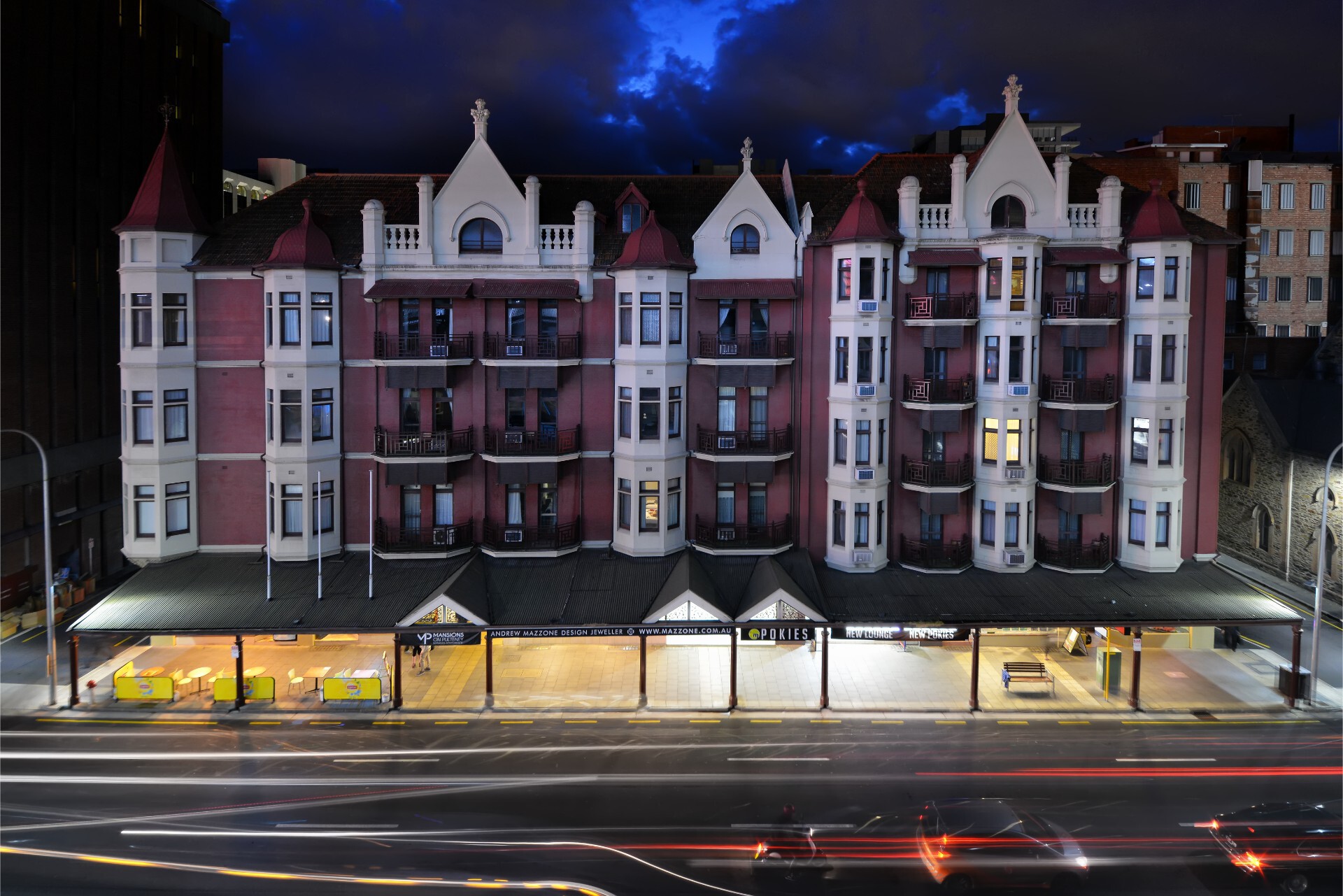
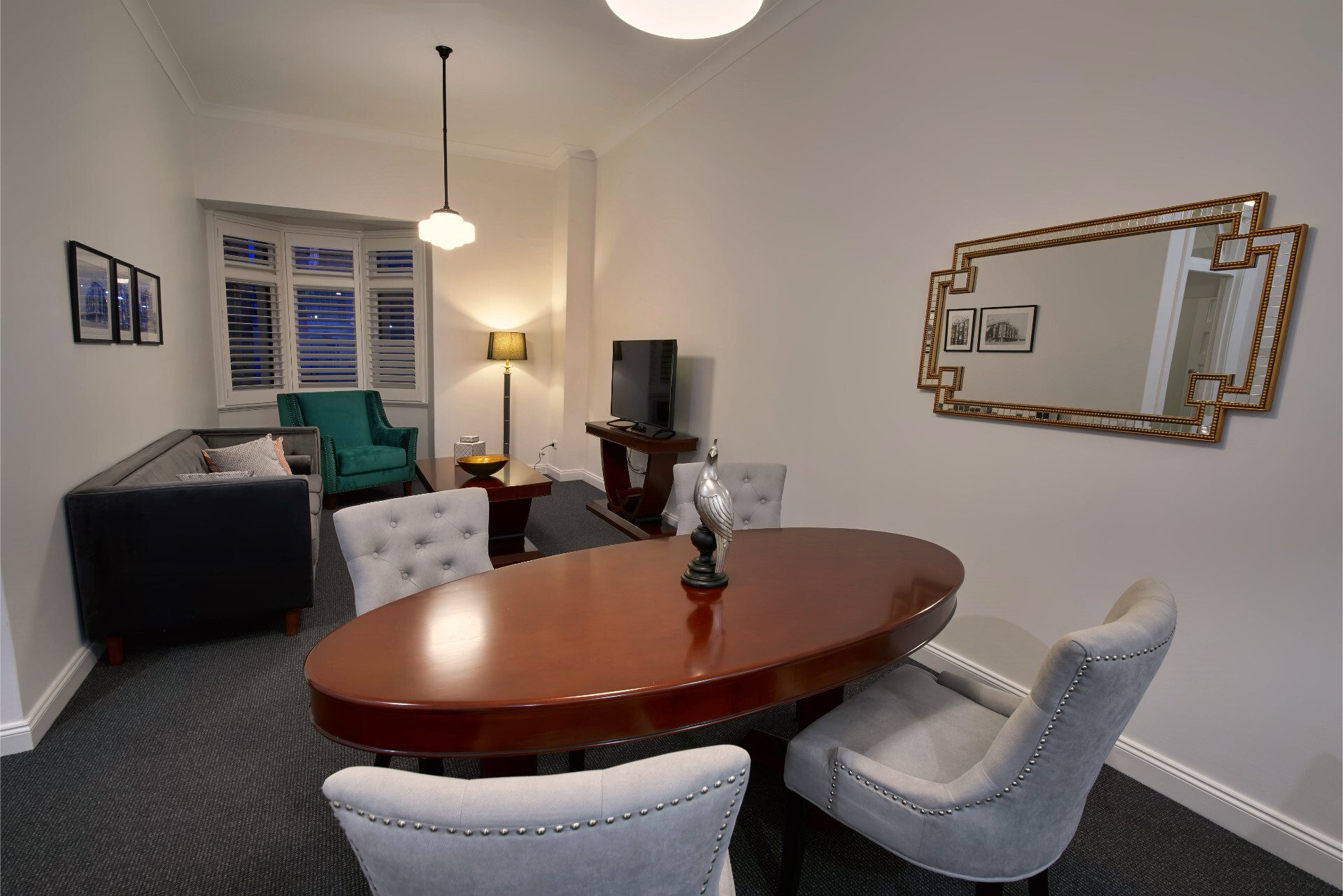
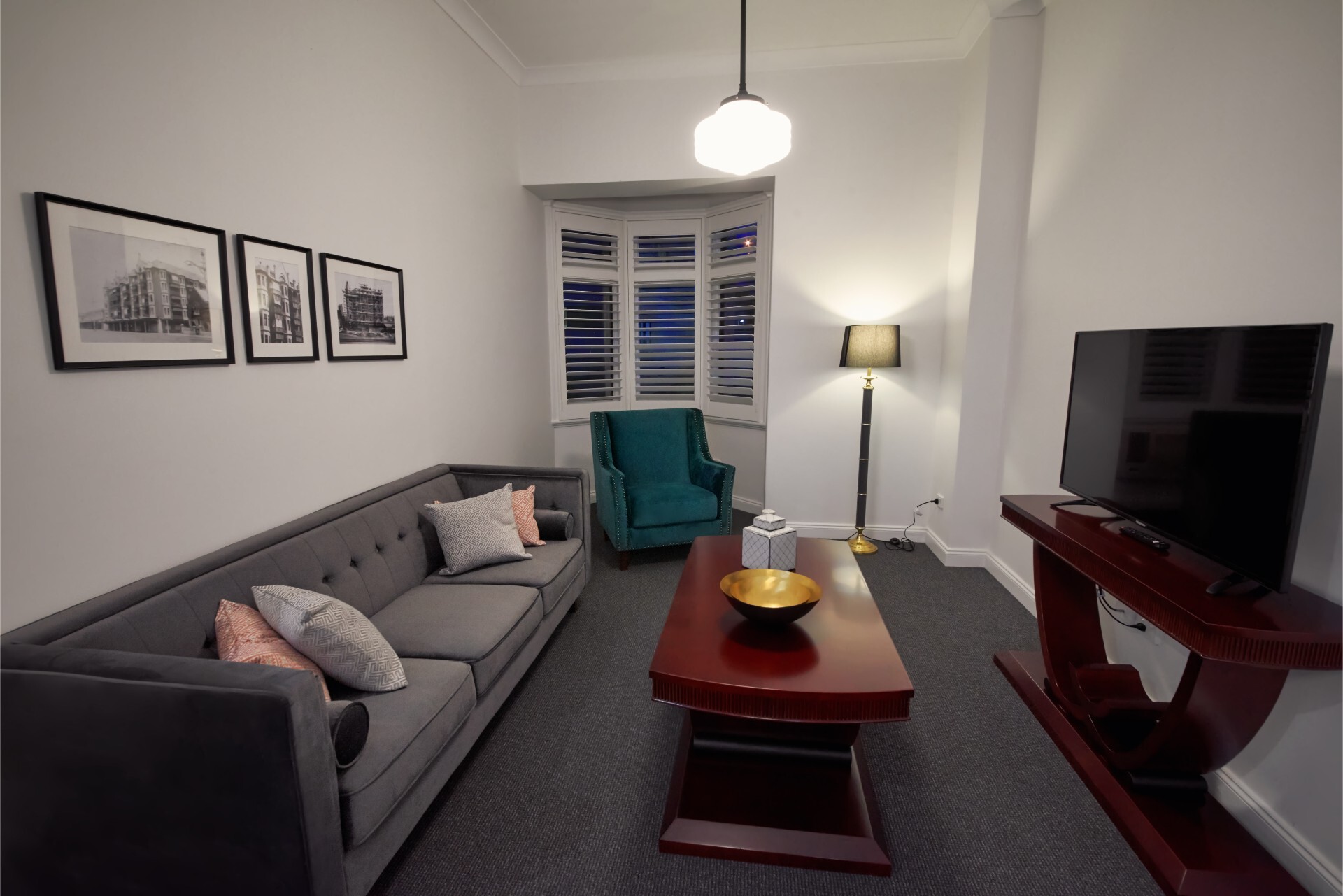
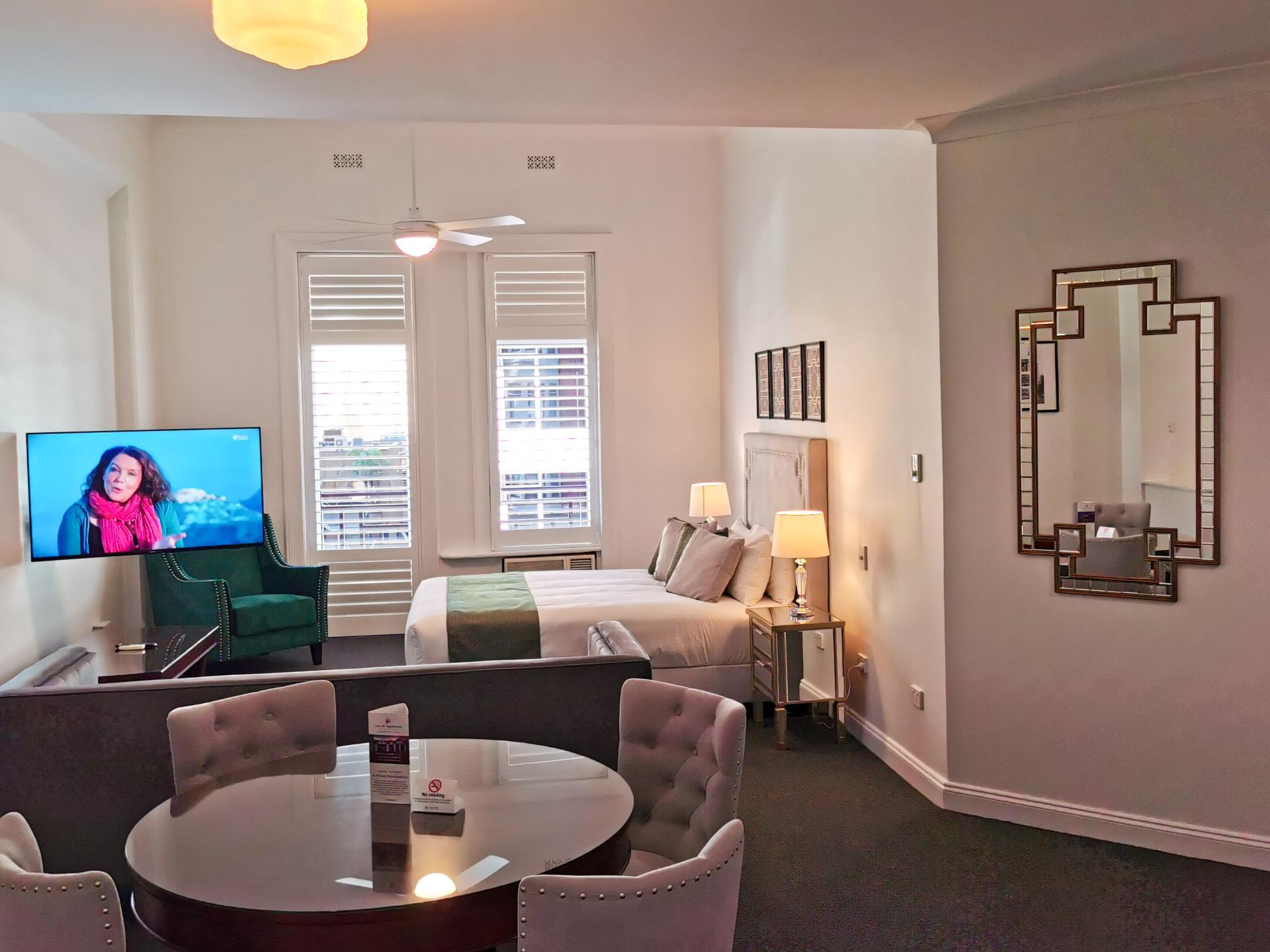
This guide is designed for a Friday-to-Sunday (or Saturday-to-Monday) escape, anchored from a CBD base such as Adelaide Mansions Serviced Apartments. It focuses on practical movement, flexible timing, and itinerary options that suit couples, solo travellers, friends, and business guests who have a spare weekend in town. The secret to a successful car-free holiday is booking a convenient base that puts the tram network and major walking trails right on your doorstep. A car-free itinerary is much easier when you base yourself in self-contained apartment accommodation right in the heart of the CBD.
Why Adelaide Works So Well Without a Car
Adelaide’s CBD and surrounding inner-city precincts are highly walkable. North Terrace concentrates many of the cultural institutions and heritage architecture, the River Torrens provides an easy scenic spine for strolling, and the city’s dining and bar precincts cluster close to each other in areas like Rundle Street, Peel Street, Leigh Street, and the Market and Chinatown zone near Victoria Square. When planning a weekend itinerary without a vehicle, choosing centrally located apartments ensures you can easily walk to major attractions and dining precincts.
Public transport adds simple out-and-back day trips, especially the tram to the beach and the train lines to historic port areas. In other words, you can treat your weekend like a set of connected neighbourhood experiences rather than a series of long drives. When you plan a car-free holiday, staying in the city centre means you can walk to major attractions and easily access the free tram network.
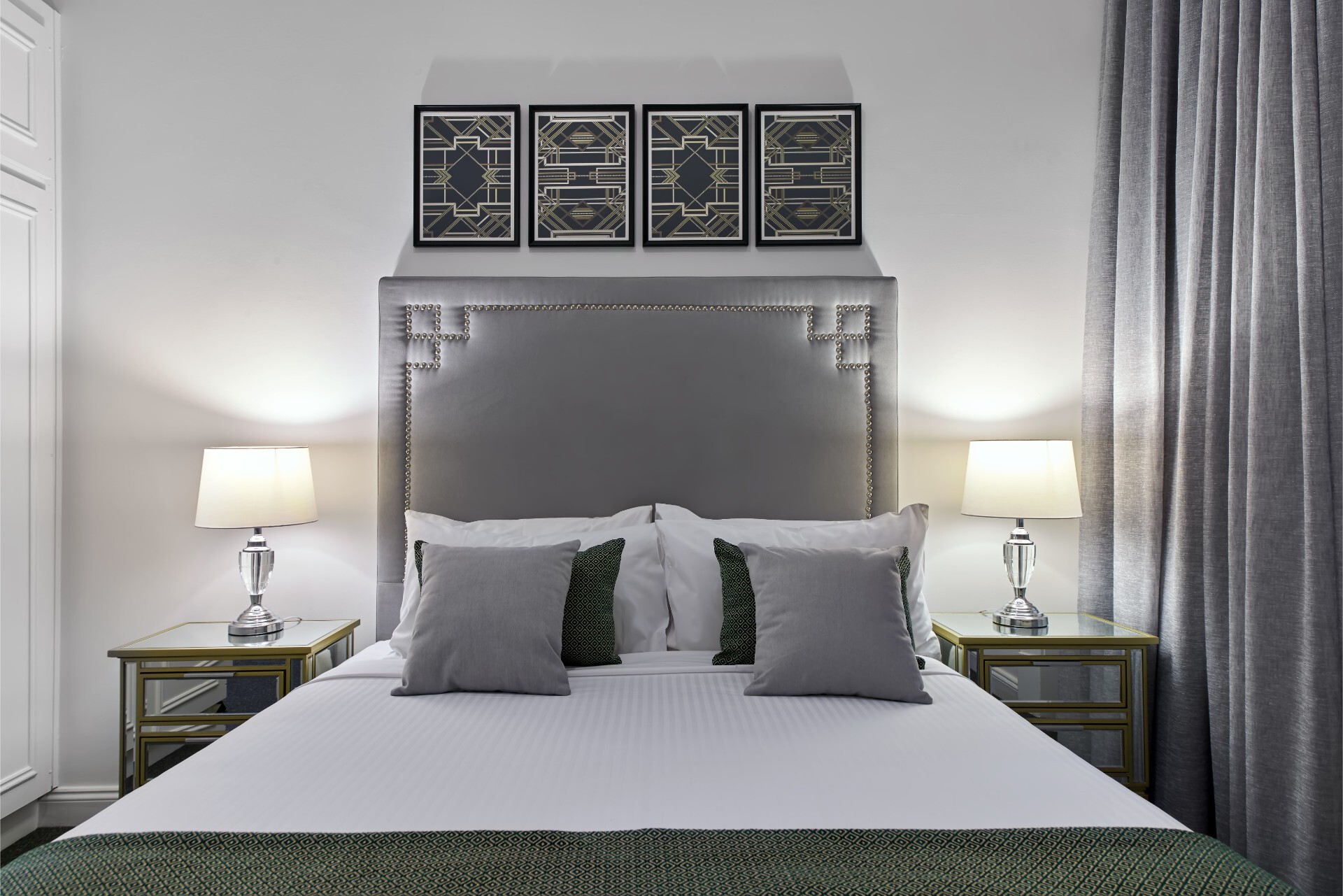
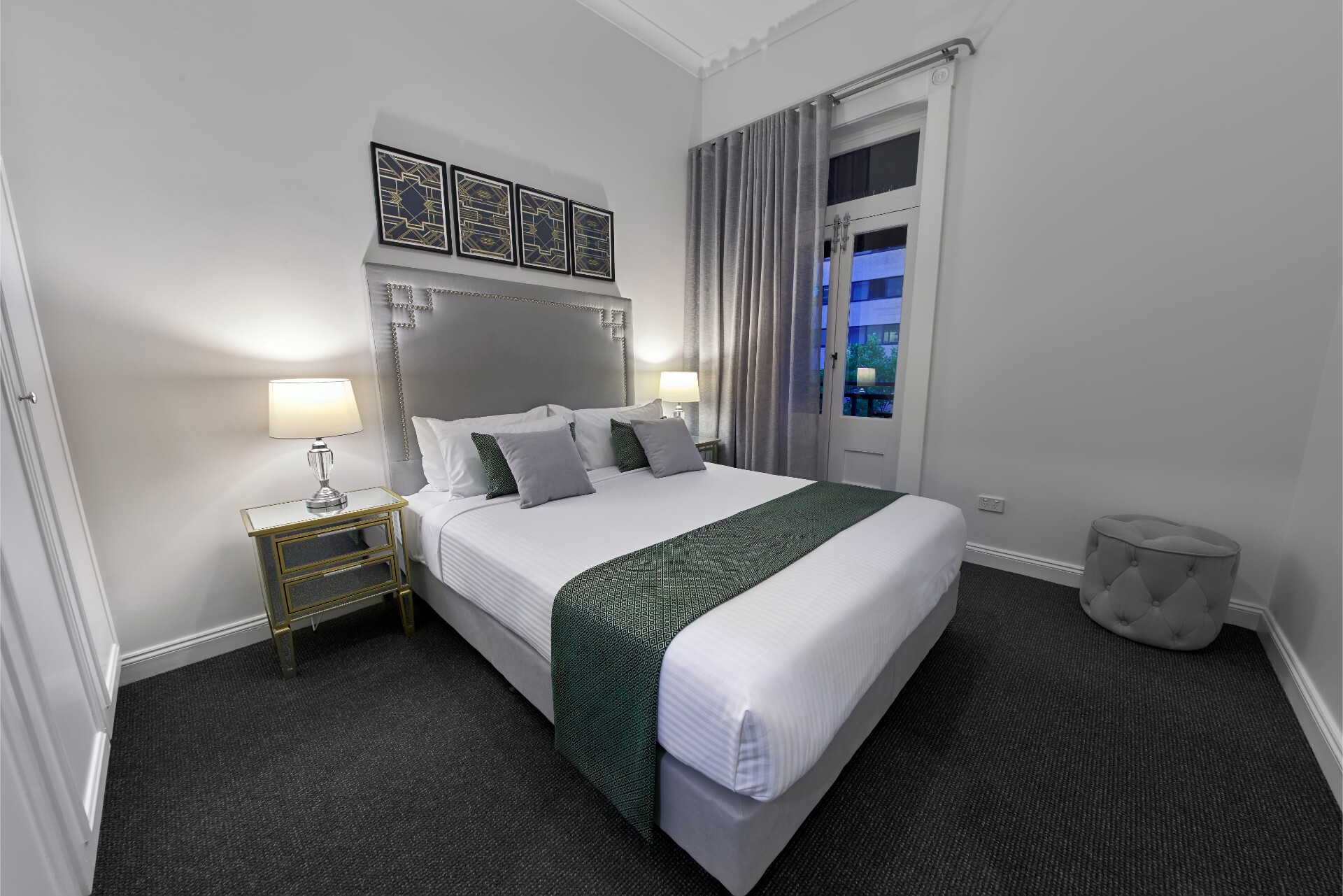
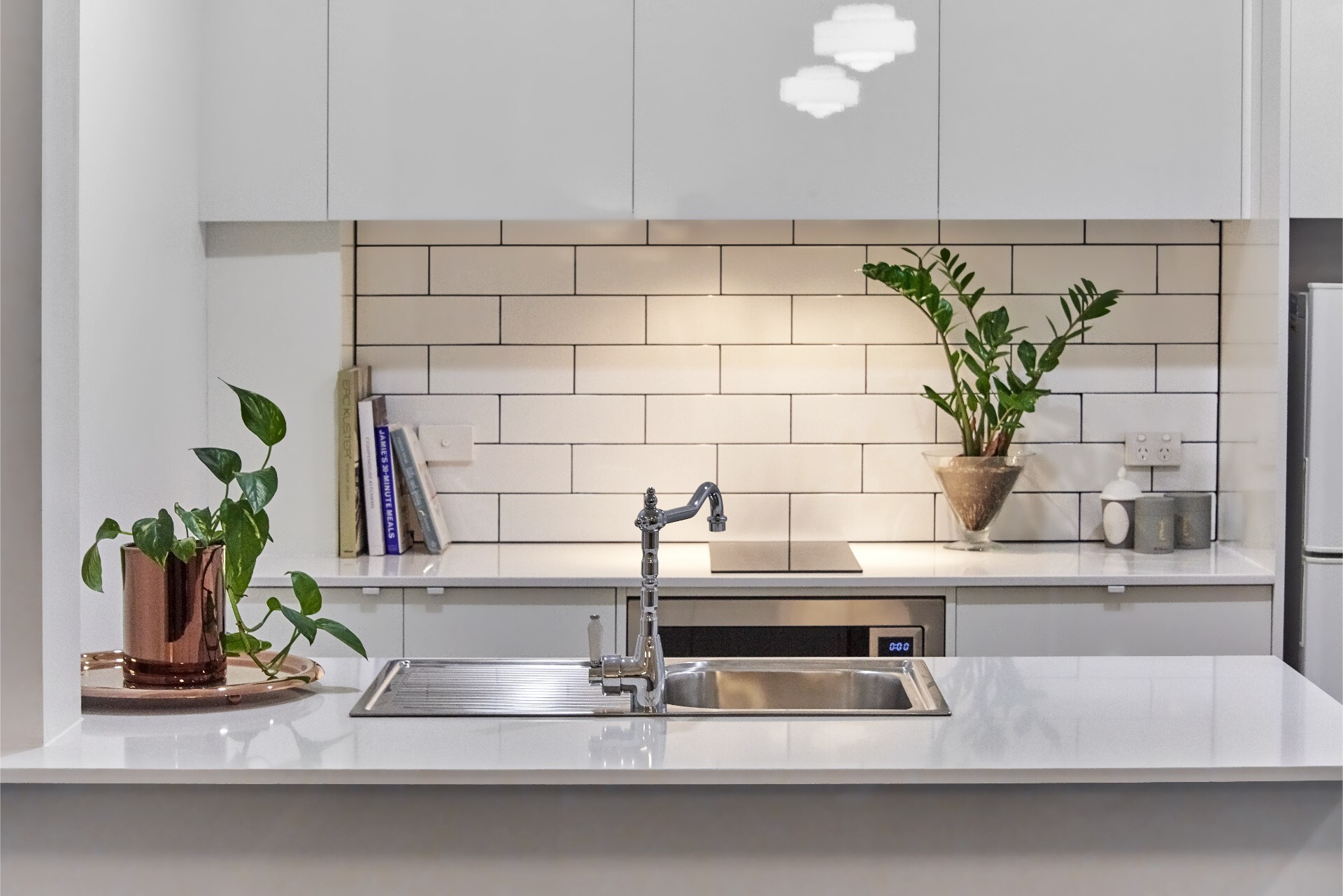
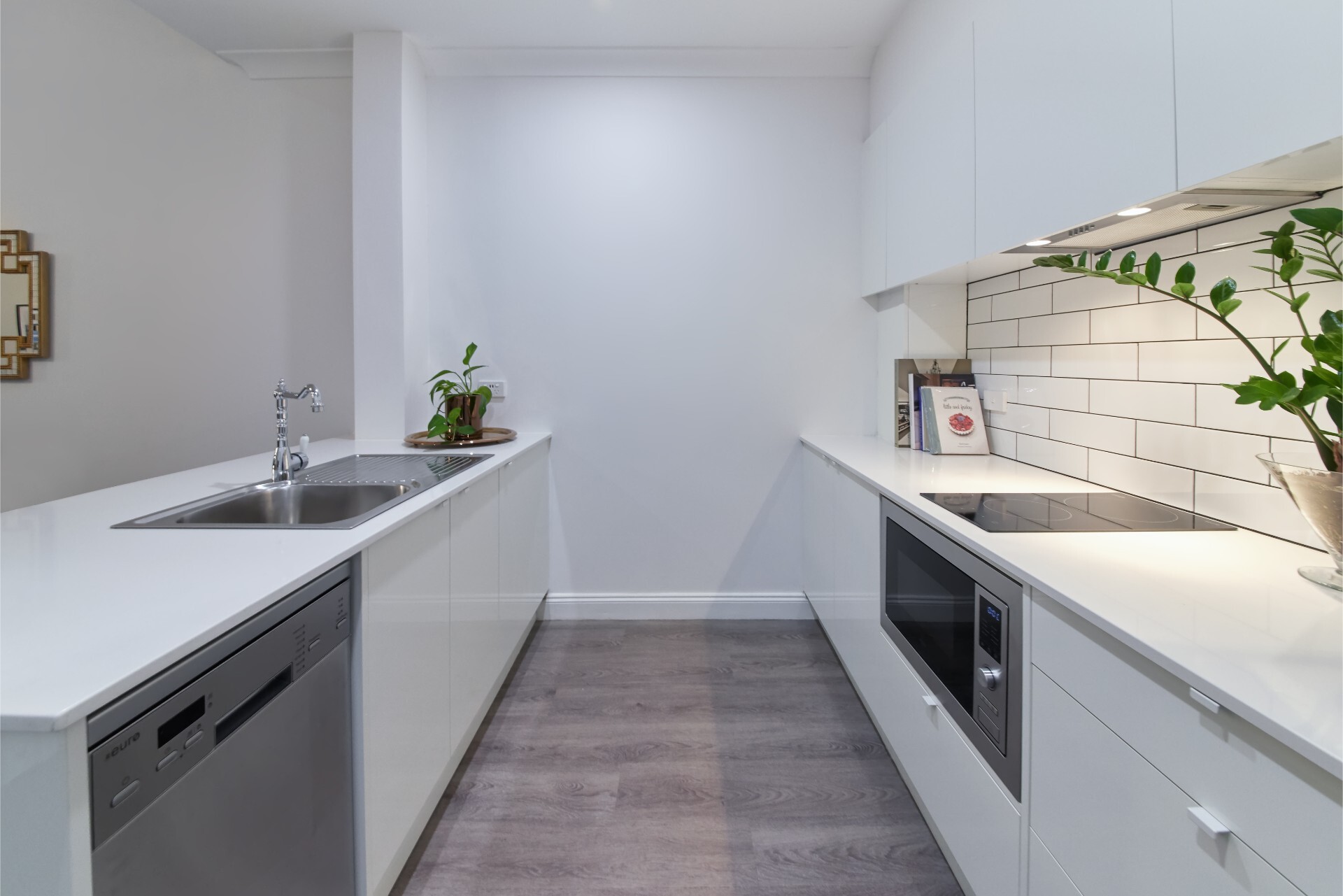
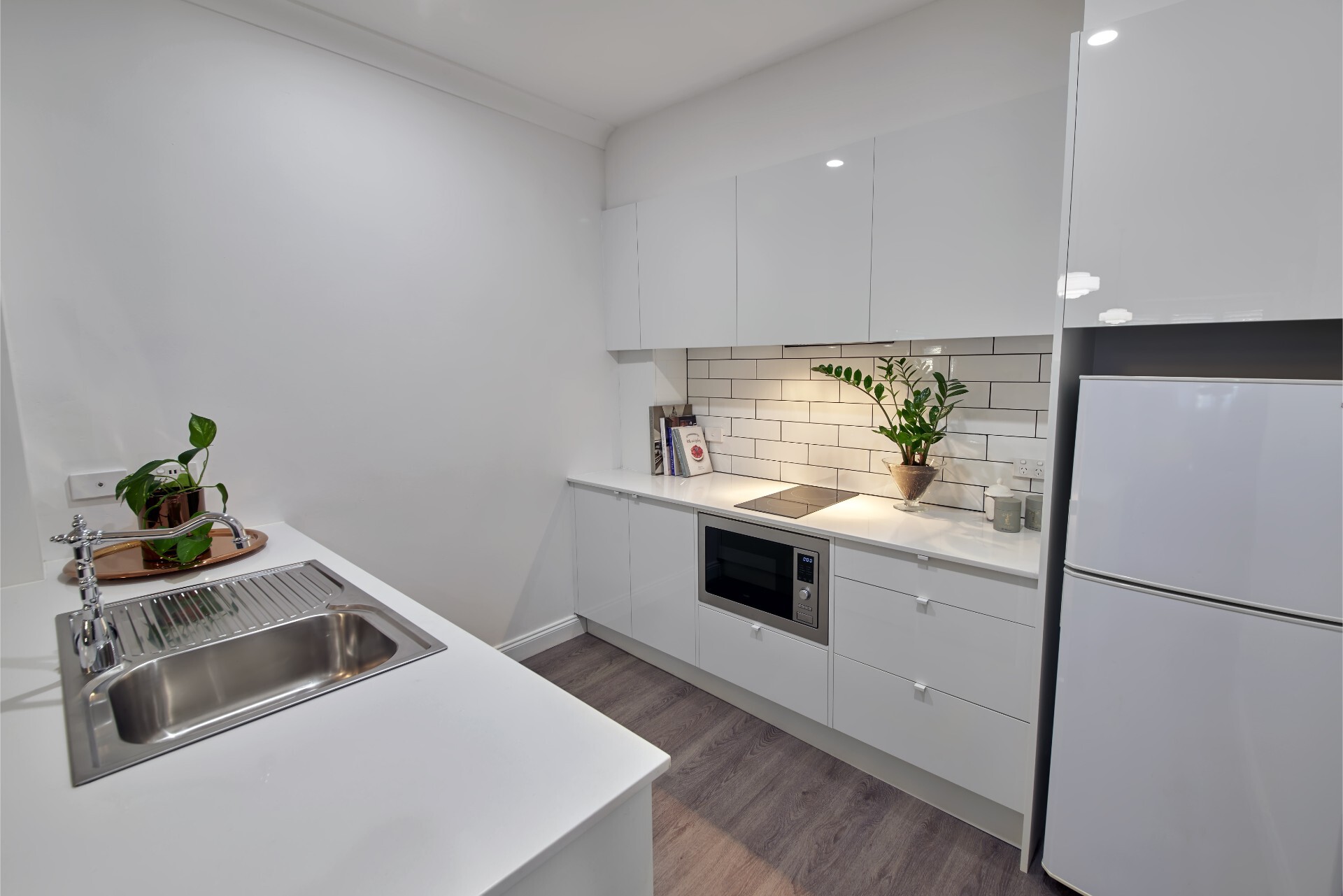
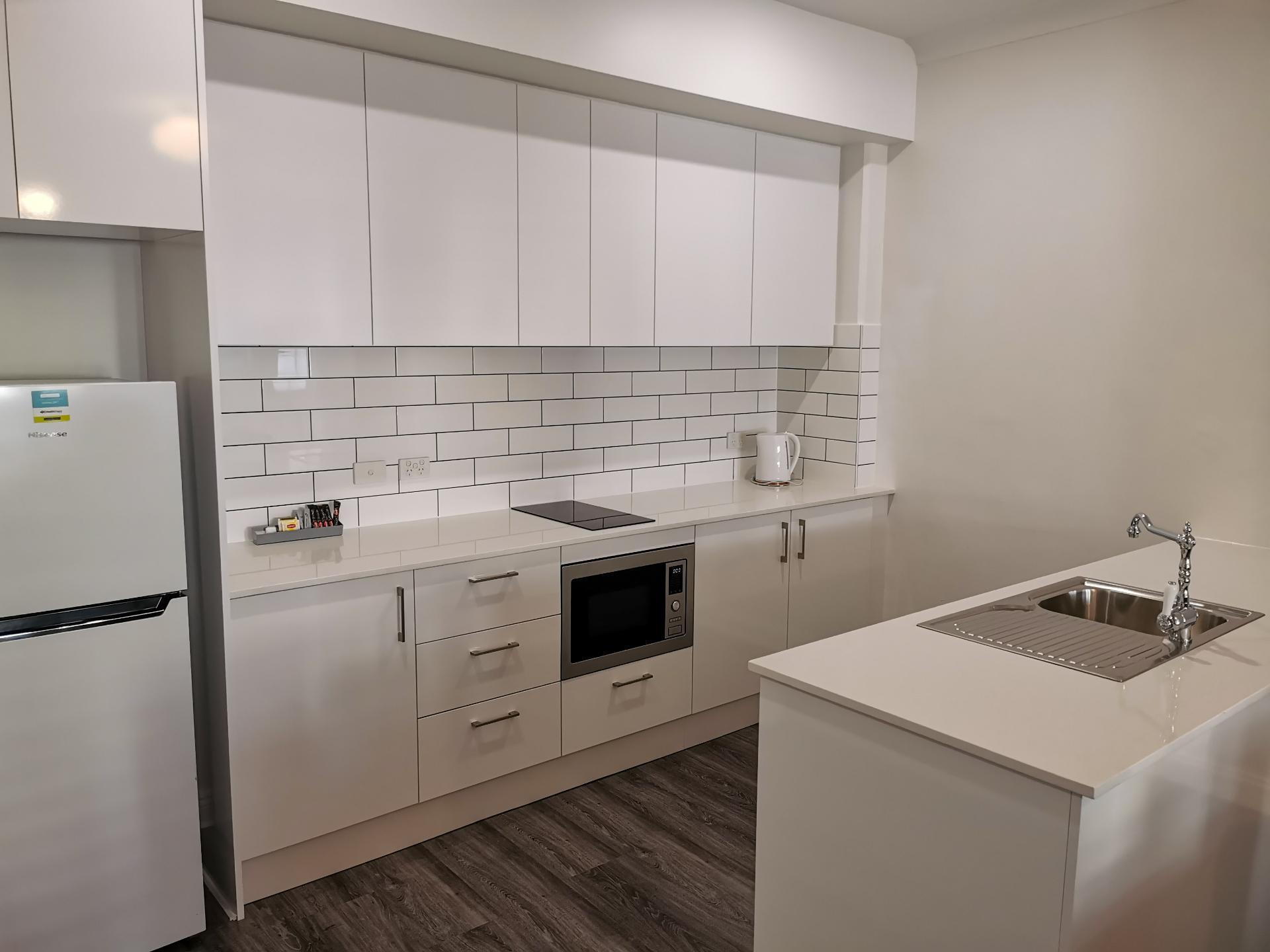
A car-free weekend is even easier when your base looks after the everyday details for you. Our fully serviced apartments include weekly housekeeping, full kitchens and secure access, so you can drop your bags, walk out the door, and let the tram network do the rest. It is the kind of low-effort setup that makes two days in the city feel genuinely relaxed.
Before You Go: No-Car Weekend Setup Checklist
A smooth no-car weekend starts with a few small decisions before you leave your accommodation.
- Check the weather forecast and pack one flexible outer layer. Adelaide evenings can feel cooler than you expect, especially near the coast.
- Wear shoes you can comfortably walk in for 10,000 to 18,000 steps across the day. A no-car itinerary is all about compact, frequent movement.
- Keep a reusable water bottle and a small day bag. You will be in and out of galleries, cafés, and markets.
- Plan your anchor bookings only if you need them. Most of this itinerary is walk-up friendly, but popular restaurants and ticketed events can fill quickly on weekends.
- For public transport, use your preferred navigation app plus Adelaide Metro journey planning tools. Fare systems and tap-on options can change over time, so confirm the latest method and fare rules before you travel.
Weekend Overview: The Simple 2-Day Structure
This itinerary is built around two core loops.
- Day 1 (Saturday): Adelaide CBD culture, markets, laneways, and nightlife, mostly on foot.
- Day 2 (Sunday): A tram-to-beach day, plus an optional train trip, designed to finish early enough for a relaxed pack-up and check-out routine.
If you arrive Friday night, there is a short Friday night warm-up at the end so you can ease into the weekend without feeling rushed.
Day 1 (Saturday): Culture, Markets, River Walks, and Laneway Dining
Morning: North Terrace Cultural Strip and a CBD Coffee Start
Start your Saturday with a café breakfast within the CBD, then head to North Terrace for a high-impact culture block. The advantage here is density: you can see significant museums, galleries, and heritage buildings without losing time commuting.
A simple walking flow looks like this:
- Begin around North Terrace, moving between cultural institutions at your own pace.
- Add a short detour into nearby gardens or along the edge of the River Torrens for fresh air and photos.
- Return towards the retail and dining core around Rundle Mall and Rundle Street.
This morning works especially well if you like architecture, design, history, and exhibitions. It also suits winter weekends or hot summer days because you can keep most of the experience indoors, stepping outside only for short scenic breaks.
Local tip: If you enjoy heritage stories, tie this morning into your broader Adelaide narrative. After you have explored the city’s public institutions, you will notice more detail in the older façades, balconies, ironwork, and streetscapes as you walk through the CBD.
Late Morning to Lunch: Adelaide Central Market and Chinatown
Next, aim for the Adelaide Central Market area for lunch. This is a strong no-car win because the precinct is naturally designed for wandering, tasting, and choosing your own pace. Even if you are not a market person, it is one of the easiest places in the CBD to find fast, fresh food that suits different diets and budgets.
How to do it well:
- Arrive hungry but not starving. You will want to browse before committing.
- Share dishes if you are travelling as a couple or group. The variety is the point.
- If you like cooking or snackable souvenirs, pick up local produce, cheeses, fruit, and small treats for later.
From the market, Chinatown is a short walk and ideal for a second round, either dessert, bubble tea, or a later dinner plan. If you want to build a food trail day, this is the simplest section of Adelaide to do it without a car.
Afternoon: River Torrens Walk and a Flexible Add-On
After lunch, balance the weekend with a gentle outdoor stretch. The River Torrens (Karrawirra Parri) corridor gives you a scenic, low-effort way to move your body without thinking too hard about navigation.
Choose one of these afternoon modes depending on your energy:
- Easy stroll mode: Walk sections of the riverbank, take photos, stop for a drink, and keep the pace slow.
- Museum and gallery mode: If the morning was short, return to another exhibition or take in a second cultural venue.
- Retail and people-watching mode: Explore Rundle Mall and the surrounding streets, then head back for a refresh before dinner.
If you want a specific Adelaide without a car highlight, make it this: a long, unhurried walk that weaves the city’s cultural edge into its natural edge. Adelaide does not force you into hectic movement. It rewards steady wandering.
Evening: Laneways, Small Bars, and an Adelaide Dinner Circuit
Adelaide’s nightlife is well suited to a no-car weekend because the best zones sit close together. You can treat the evening like a circuit: pre-dinner drink, dinner, then a dessert or second venue.
A practical plan:
- Pre-dinner: Choose a small bar or wine bar in the CBD’s laneways.
- Dinner: Book or walk-in depending on your style. If you want reliable options, focus on the CBD dining pockets rather than trying to cross the city.
- After dinner: Keep it simple. A short night walk back to your accommodation is part of the charm.
If you want an internal content connection for your website, this is where you would reference your existing Adelaide CBD dining guide. It supports the user intent perfectly: I have two nights, where do I eat within walking distance?
Day 2 (Sunday): Tram to the Coast, Beach Walk, and a Choose-Your-Own Afternoon
Morning: A Relaxed Start and Coffee Near Your Route
Sunday works best if you begin slower than Saturday. Have breakfast near your accommodation or along your route to the tram. The goal is to conserve energy for a long coastal walk and still return to the CBD with time for an early dinner or a final Adelaide experience.
Late Morning to Early Afternoon: Tram to Glenelg for the Classic No-Car Beach Day
The tram journey to Glenelg is the hero move of a no-car weekend. It is simple, direct, and takes you from city streets to a beach atmosphere without any parking stress or navigation complexity.
When you arrive, think of Glenelg as three mini experiences:
- Jetty and beachfront: Classic photos, salty air, and a straightforward beach walk.
- Esplanade and cafés: Easy lunch options, ice cream, and casual dining.
- A longer shoreline walk: If you like exercise, set a distance target and walk one direction, then return.
If you are travelling with kids, Glenelg is also a low-friction choice because it is familiar, open, and easy to manage without a vehicle.
No-car pacing tip: Avoid overplanning at the beach. Let the tram take the mental load. Once you arrive, your job is simply to walk, eat, and reset.
A Simple Sunday Lunch Plan That Stays Flexible
For a no-car weekend, lunch works best when it is flexible, not time-boxed. Choose a venue with quick service or walk-up ordering so you are not anchored to a strict reservation time. The coastal day already includes a natural rhythm: arrive, walk, eat, walk again, then return.
If the beach is busy, use a two-stop lunch approach:
- First stop: A light snack or coffee shortly after arriving.
- Second stop: A later, more substantial meal when crowds shift.
This prevents the classic weekend problem where everyone tries to eat at the same time and queues become part of the experience.
Mid Afternoon: Return to the CBD and Choose One Final Adelaide Experience
After the coast, you have two good options depending on your interests and how much walking you have already done.
Option A: The easy CBD finish (best for most travellers)
Return to the CBD and spend the afternoon on one final, low-effort highlight: a final gallery, a quiet drink, a slow walk through a park, or a relaxed browse through city streets. This is especially useful if you are checking out the next morning and want to keep your energy steady.
Option B: Add a short train trip for a different side of Adelaide
If you have the appetite for one more transport experience, consider a train journey to a nearby precinct that offers a different texture to the CBD and coast. This can suit travellers who like maritime history, industrial heritage, or a change of scenery that is still achievable without a car.
The key is to keep it short and simple:
- Choose a destination with a station close to the experience you want.
- Aim for one main activity, not five.
- Leave buffer time to return without stress.
Because public transport timetables and service patterns can vary, confirm your return options before you commit to the add-on. The goal is ease, not complexity.
Early Evening: A Final CBD Dinner and Pack-Up Routine
Finish with an early dinner back in the CBD. Early Sunday dining is a strong no-car strategy because it reduces the need for rideshares and lets you return to your accommodation with time to pack calmly.
If you want a content tie-in for your website, you can link here to your How many days is enough in Adelaide? article, positioning this itinerary as the perfect answer for a two-day weekend.
Friday Night Warm-Up (Optional): The Easy Arrival Night
If you arrive on Friday evening, do not try to start the itinerary at 8pm. Instead, do a gentle warm-up that sets you up for Saturday.
A good Friday night sequence:
- Check in and take a short walk to get your bearings.
- Choose a nearby dinner option that does not require a booking.
- Have one drink or dessert, then call it early.
This reduces decision fatigue and helps you start Saturday with energy and clarity.
No-Car Navigation: Practical Tips That Make the Weekend Feel Effortless
Use the CBD Grid to Your Advantage
Adelaide’s CBD grid means you can make smart walking decisions without constantly checking maps. Pick a direction, walk a few blocks, and you will almost always land on something useful: a café, a shop, a park edge, or a cultural institution.
Treat Public Transport as Your Long Corridor
Rather than using public transport for every small move, use it for the one longer corridor that changes your environment, like the tram to the coast. Then do the rest on foot. This keeps the weekend simple and reduces the mental overhead of constant tap-on, tap-off decisions.
Build Buffer Time Into Every Return
A no-car weekend is enjoyable when you are not watching the clock. Build buffer time into every return trip, especially on Sunday. If you are flying out, keep the final afternoon lighter.
Accessibility and Mobility Notes
If you have mobility considerations, you can still do a no-car weekend well by tightening the walking loops and leaning more heavily on short rideshare hops for specific points. The itinerary structure stays the same, but you reduce the step count and increase the number of seated experiences like galleries, museums, cafés, and scenic lookouts.
Make It Yours
The best no-car weekend is not the most packed one, it is the one that feels smooth. Adelaide rewards travellers who choose a few strong anchors and then let the city fill in the gaps. Start in the CBD, spend Day 1 soaking up culture and food, take the tram to the coast on Day 2, and return with enough time to end the weekend calmly. If you do that, you will leave Adelaide feeling like you actually experienced it, not just moved through it.